Understanding the psychological effects of casinos on players' behavior and decision-making
Understanding the psychological effects of casinos on players' behavior and decision-making
The Allure of the Casino Environment
The casino environment is meticulously designed to attract and retain players. Elements such as lighting, sound, and layout play a crucial role in creating an inviting atmosphere. Bright lights and colorful machines stimulate the senses, while the sound of jingling coins or celebratory music can trigger feelings of excitement and anticipation. This sensory overload can lead to a heightened state of arousal, encouraging players to engage more deeply with the games. For those looking to enhance their experience, utilizing a Hellcase code can unlock additional rewards.
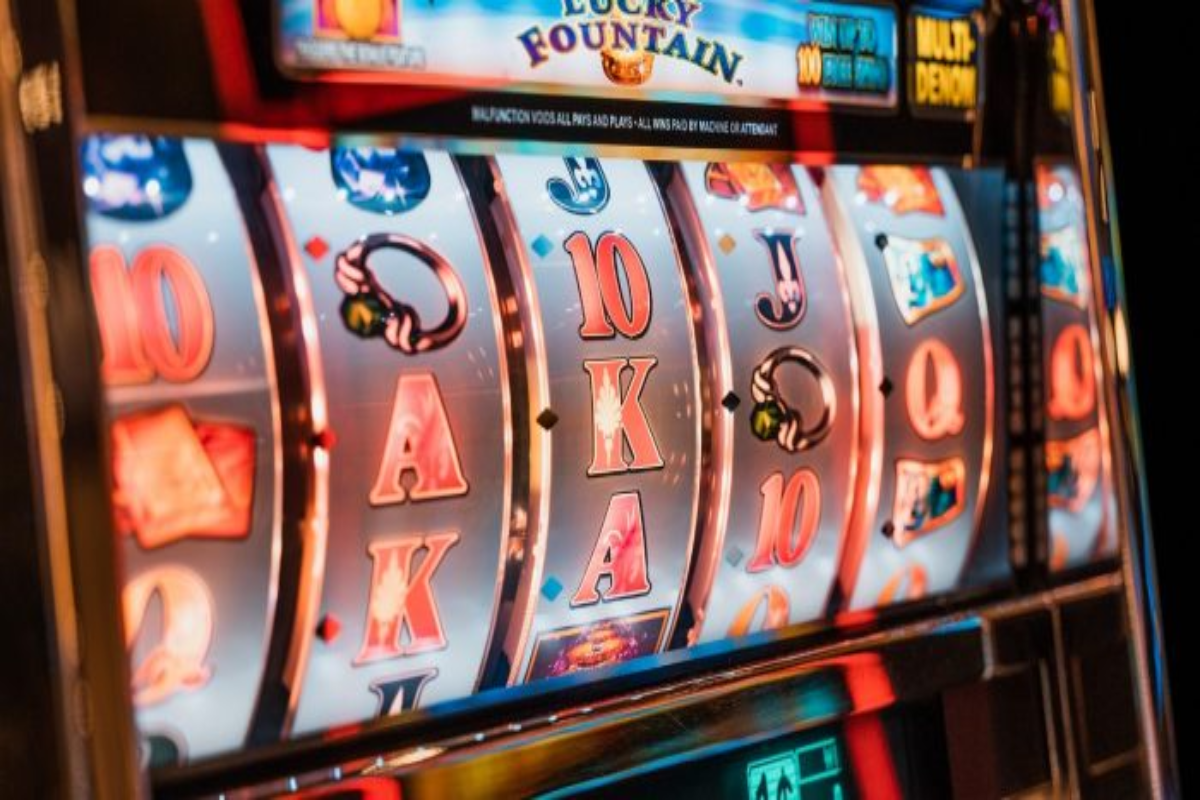
Additionally, the layout of casinos is strategic, often designed without windows or clocks, creating a sense of timelessness. This environment can lead to extended play sessions, as players lose track of time and become absorbed in their gambling experience. Many players report that they feel a rush when they step into a casino, fueled by the dynamic energy of those around them. This collective atmosphere can amplify individual decision-making, often leading to riskier choices.
The allure of the casino isn’t solely about the games offered; it’s also about the social interactions that occur within the space. Engaging with other players can create a sense of camaraderie or competition, both of which can drive individuals to gamble more than they initially intended. Social reinforcement from peers can shape behavior, pushing players to make decisions that align with the group’s dynamics rather than their own financial prudence.
The Psychology of Gambling and Risk-Taking
The psychology behind gambling reveals a complex relationship between risk and reward. Gamblers often experience a phenomenon known as the “gambler’s fallacy,” where they believe that past outcomes influence future results. For instance, if a player sees a slot machine that hasn’t paid out recently, they may feel it is “due” for a win, leading to increased wagers. This cognitive bias can significantly skew rational decision-making, causing players to gamble more frequently and with larger amounts. Understanding advanced strategies can help mitigate some of these impulsive behaviors.
Moreover, the excitement of taking risks can activate the brain’s reward system. When players win, they experience a rush of dopamine, reinforcing the behavior and making them more likely to gamble again. This biochemical response can lead to a cycle of chasing losses, where individuals gamble more in hopes of recouping previous losses. The emotional highs and lows of gambling can create a rollercoaster effect, making it challenging for players to recognize when they should stop.
The role of emotions in gambling is substantial. Players may engage in gambling as a form of escape from stress, boredom, or emotional distress. When individuals use gambling as a coping mechanism, their decision-making can become even more impulsive. Emotions can cloud judgment and lead to choices that prioritize immediate gratification over long-term consequences, thus perpetuating unhealthy gambling habits.
Addiction and Compulsive Behaviors in Gambling
Gambling addiction is a serious psychological issue affecting many individuals. It often begins as a fun pastime but can escalate into a compulsive behavior that is difficult to control. Studies have shown that the brain of a compulsive gambler may exhibit patterns similar to those found in individuals with substance abuse disorders. This highlights the potential for gambling to hijack the brain’s reward pathways, making it challenging for individuals to quit despite negative consequences.
Compulsive gamblers may experience a range of behavioral symptoms, including lying about their gambling habits, borrowing money to gamble, or neglecting responsibilities. This addiction can not only impact the individual but also strain relationships with family and friends. Often, loved ones notice changes in behavior before the individual recognizes their gambling as problematic. The secretive nature of gambling can exacerbate feelings of isolation, further entrenching the addiction.
Interventions for gambling addiction can be complex, as they require addressing both the psychological and behavioral aspects of the disorder. Cognitive-behavioral therapy (CBT) has proven effective in helping individuals understand and reframe their thoughts surrounding gambling. Support groups can also play a crucial role, providing a community of individuals who share similar struggles. Understanding the psychological underpinnings of addiction is vital for developing effective strategies to combat it.
The Role of Marketing and Promotions in Decision-Making
Marketing strategies in the casino industry are specifically tailored to influence player behavior. Casinos employ a variety of techniques, from loyalty programs to targeted promotions, aimed at enticing players to spend more time and money. These marketing efforts can create a sense of entitlement or expectation among players, leading them to believe they deserve a win or a special reward. This mindset can significantly alter decision-making processes.
Promotions such as “free play” or “matching bonuses” are designed to create a false sense of security, encouraging players to gamble more than they might otherwise. By leveraging psychological principles, casinos can drive players to engage in behaviors that prioritize immediate rewards over long-term financial health. The persuasive nature of these promotions can lead to increased betting and, ultimately, greater losses.
Additionally, online casinos utilize targeted advertising based on user behavior and preferences, further complicating decision-making. These tailored promotions can create a personalized experience that feels exclusive, making it more difficult for players to resist. Understanding the impact of these marketing tactics is essential for players who wish to maintain control over their gambling behavior and make informed decisions.
Understanding Casino Psychology for Better Decision-Making
For players aiming to make informed decisions while gambling, understanding the psychological effects of casinos can be a powerful tool. Awareness of the environment’s influence on emotions and behaviors allows individuals to strategize their approach to gambling. Setting clear limits on time and money spent can mitigate the risks associated with impulsive decision-making. Developing a plan before entering a casino can help maintain focus and reduce the likelihood of succumbing to temptation.
Moreover, educating oneself about the odds and probabilities of various games can foster a more rational perspective on gambling. Players who understand the mechanics of the games are less likely to fall prey to cognitive biases and emotional impulses. By prioritizing skill development over pure luck, individuals can enhance their gaming experience while remaining mindful of the inherent risks.
Ultimately, casinos are designed to be immersive environments that can significantly influence behavior. By cultivating a deeper understanding of these psychological effects, players can better navigate their gambling experiences. Whether engaging in casual play or seeking more serious strategies, being informed can lead to healthier decision-making and a more enjoyable experience overall.